Mother of Pearl in Southwest Florida Interiors: A Beautiful Coastal Material (and Where to Use It)
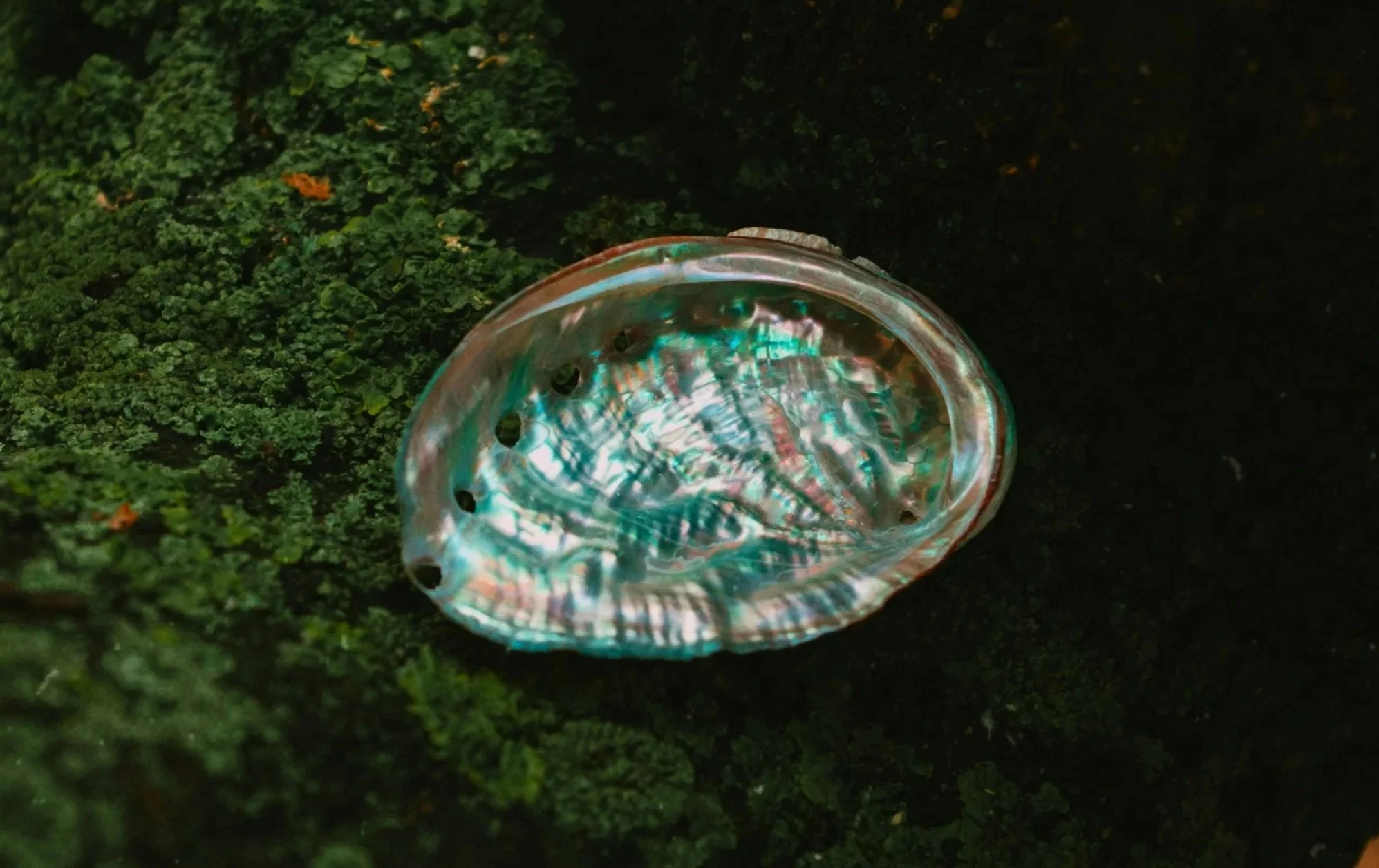
Abalone shell interior lined with shining mother of pearl.
Shimmering like sunlight on the ocean. A subtle play of color that shifts with every movement of light.
Mother of pearl is more than a decorative material— it’s a piece of natural art that brings quiet coastal calm into a home. Formed inside the shells of oysters and abalones, it has been prized for centuries in jewelry, furniture, and architecture. Today, it’s finding a refined place in modern interiors, from backsplashes and feature walls to custom inlays on cabinetry and furniture.
At Yellowtail, we’ve used mother of pearl in real local projects, including a shower in The Sanctuary Golf Club on Sanibel Island (as seen in the detail below). The material’s soft luminescence works particularly well in the bright, shifting light of Southwest Florida. Here’s a practical look at what it is, how it performs in our climate, and where it makes the most sense in a kitchen or bath remodel.
What Exactly Is Mother of Pearl?
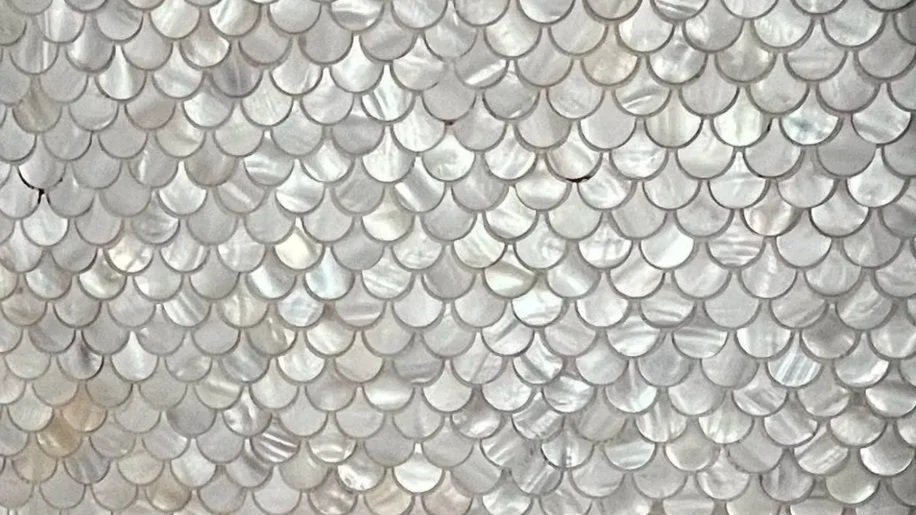
Mother of pearl inlay from one of our recent projects.
Mother of pearl (also called nacre) is the iridescent inner layer of certain mollusk shells. The natural version displays a soft, shifting play of colors, including soft pinks, greens, blues, and silvers that change with the angle of light. In design work, it is typically used as thin inlays, tiles, or mosaic pieces.
There is also engineered mother of pearl, which can offer more consistency in color and size while still delivering the characteristic shimmer. Both versions can work well; the choice depends on the application and the level of variation you want.
Why It Performs Well in Southwest Florida
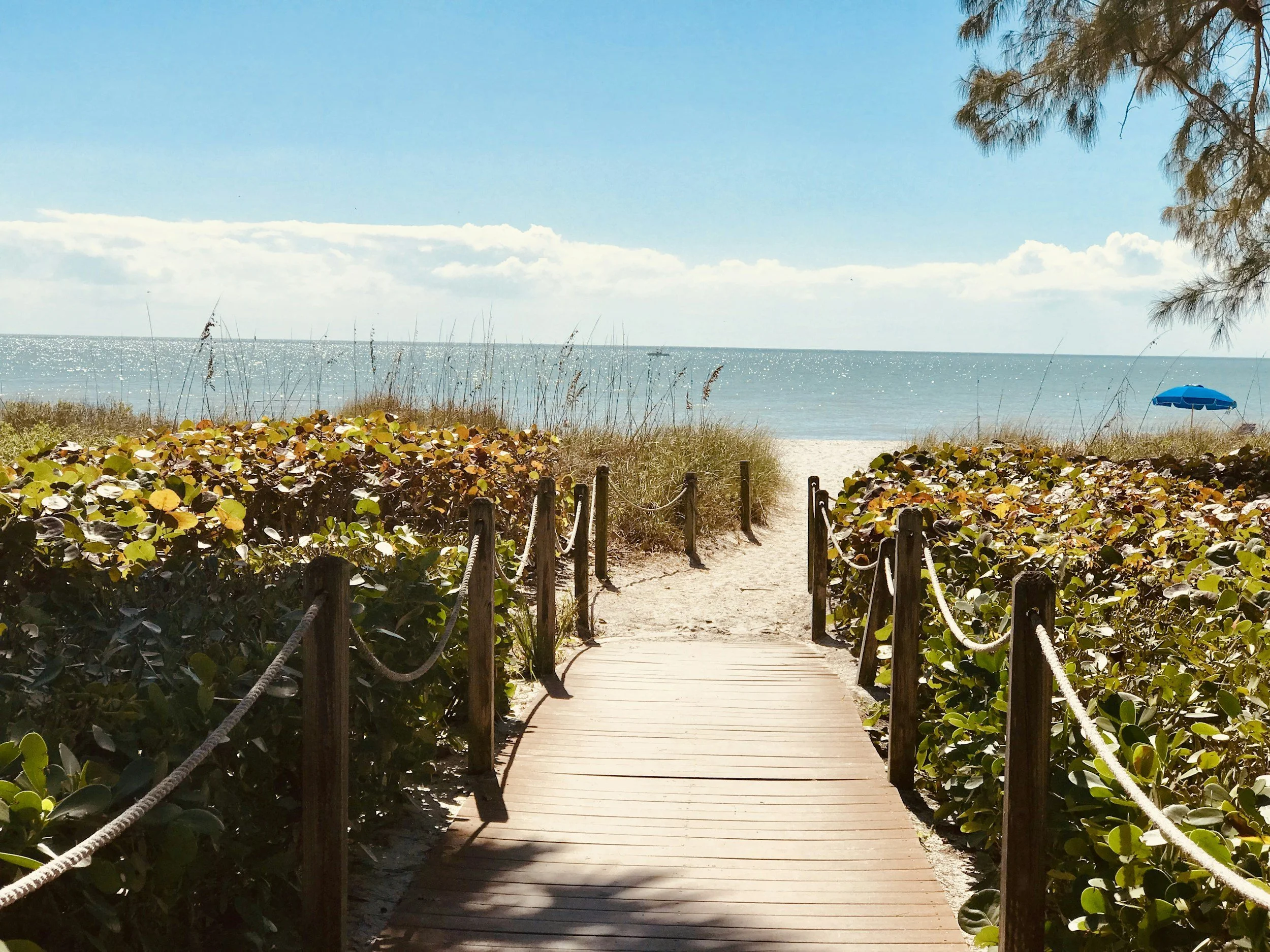
Our climate can be hard on many decorative materials. High humidity, salt air, strong UV light, and temperature swings can cause fading, warping, or deterioration. Mother of pearl holds up better than many people expect when properly selected and installed.
In wet areas such as showers, it resists moisture well when sealed and set correctly. The material does not absorb water the way some natural stones can, and its surface remains relatively stable in humid conditions. In rooms with abundant natural light (common in Fort Myers, Sanibel, and Naples homes), the iridescence actually benefits from the changing daylight rather than fighting it.
That said, it is still a natural material. Quality installation and appropriate sealing matter, especially in showers and other high-moisture zones.
Best Places to Use Mother of Pearl
Showers and wet areas Thin mother-of-pearl inlays or mosaic accents in a shower create a quiet shimmer that feels luxurious without being flashy. We used it this way in the Sanctuary Golf Club project, letting the material catch light and add depth to a coastal bath.
Backsplashes A mother-of-pearl mosaic or inlay strip can elevate a kitchen or vanity backsplash. It pairs especially well with soft stone or quartz counters and warm wood cabinetry.
Feature walls and niches Used sparingly on a feature wall or inside a shower niche, it creates a focal point that feels intentional rather than decorative overload.
Cabinetry and furniture accents Small inlays on cabinet doors, drawer fronts, or custom furniture pieces add refined detail that rewards a closer look.
It works best as an accent rather than a full-field material. Overusing it can make a space feel excessively busy or dated.
Design Pairings That Feel Coastal, Not Themed
Mother of pearl sits comfortably in the current shift toward warmer, more natural interiors. It pairs well with:
Light to medium wood tones (white oak, walnut, or soft stained woods)
Soft, warm stones and quartz with subtle movement
Brushed or living-finish metals (brass, bronze, or soft black)
Linen, textured plaster, or matte surfaces that maintain a relaxing vibe
Practical Considerations
Maintenance Clean with mild, non-abrasive cleaners. Avoid harsh chemicals or abrasive pads that can dull the surface over time. In showers, regular mild cleaning and good ventilation help keep it looking its best.
Cost Mother of pearl is a premium accent material. Pricing varies significantly depending on whether you use natural or engineered product, the size of the area, and the complexity of the installation. It is typically used in targeted areas rather than large expanses for both cost and design reasons.
Installation Proper substrate preparation and sealing are important, especially in wet zones. Working with a contractor experienced in coastal construction helps ensure the material is set and finished correctly for our climate.
Is Mother of Pearl Right for Your Project?
Consider it when you want:
A subtle luminous accent.
A material that responds beautifully to natural light.
A coastal feeling that stays refined and current.
It may be less ideal if you prefer completely matte, low-maintenance surfaces or if the budget needs to stretch across larger areas.
Closing Thoughts
Material choices in Southwest Florida should balance beauty with performance. Mother of pearl offers a rare combination of natural elegance and practical suitability for our climate when used thoughtfully. In the right place, in a shower, a backsplash, or a carefully chosen detail, it can bring a quiet sense of the coast indoors without feeling forced.
If you’re planning a kitchen or bath remodel and want to explore whether mother of pearl (or another coastal material) fits your home, we’re always happy to talk through ideas and options. Contact us today for your free, no-obligation custom consultation!